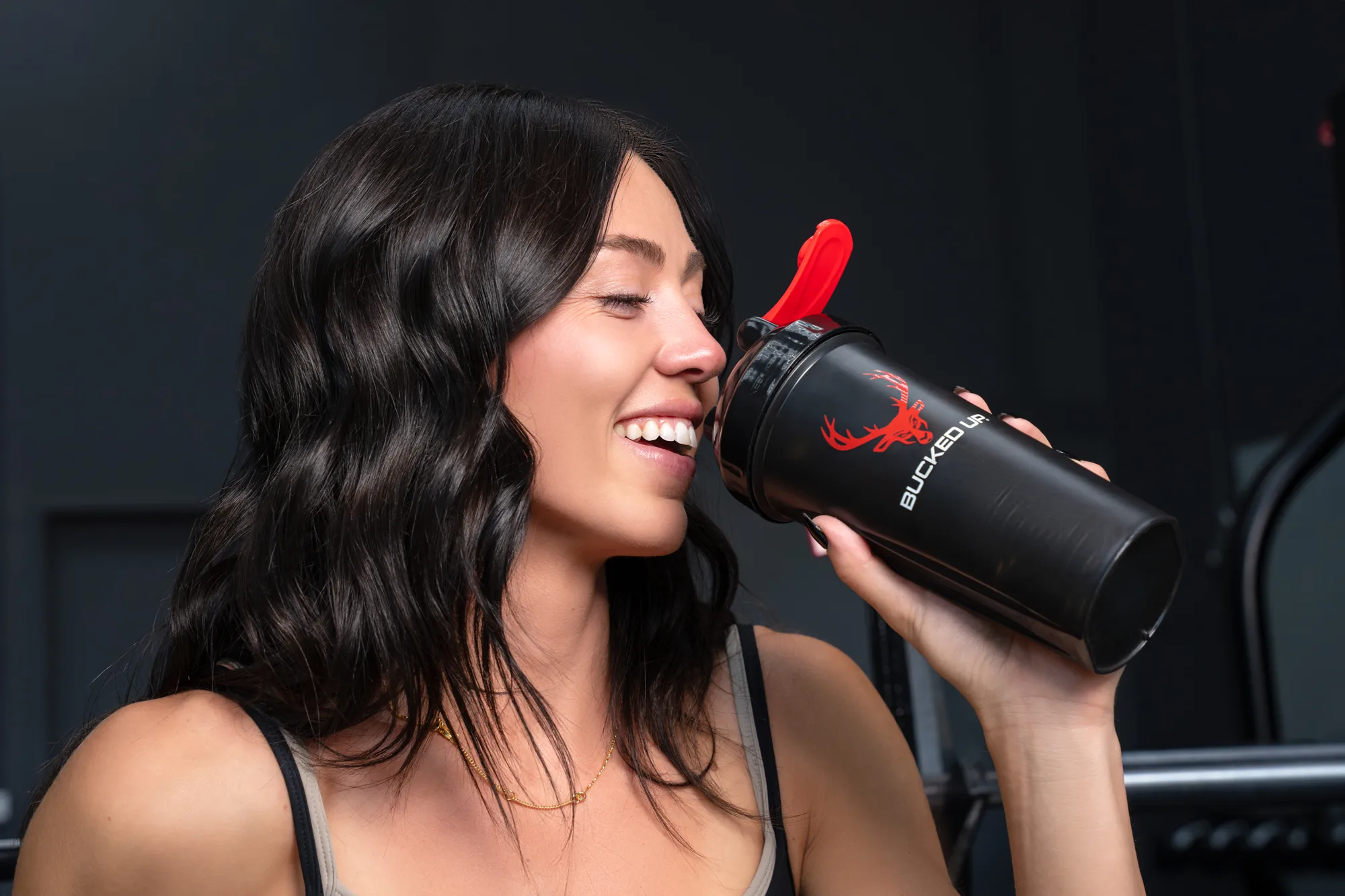
Here’s the short answer to when you should take pre-workout: about 20 to 30 minutes before you train, or up to an hour for some formulas.* That gives the caffeine and other ingredients time to kick in right as you’re warming up.
The longer answer depends on your stomach, your formula, and what time you lift. Timing changes everything from how fast the energy hits to whether you’re still bouncing off the walls at bedtime.
We’ll cover when to take pre-workout, how long it lasts, whether to take it on an empty stomach, how much to start with, where caffeine fits in, and how to line it all up with creatine and different kinds of training.
Pre-workout timing chart
Bookmark this one. The best time to take pre-workout depends on what you’ve eaten and when you train, and serving sizes and ingredients vary by formula, so always follow the directions on your label.*
| If you’re… | Try this |
|---|---|
| Training as usual | Take pre-workout 20 to 30 minutes before your first working set* |
| Having a light snack first | Take pre-workout about 30 minutes before you start* |
| Coming off of a big meal | Wait closer to 4 hours, since guidance puts pre-exercise meals 1 to 4 hours before training* |
| Training on an empty stomach | Start with a half serving, since it often hits faster* |
| Lifting late in the evening | A common rule of thumb is no caffeine in the 6 to 8 hours before bed* |
| Wondering when caffeine peaks | Around 30 to 60 minutes after you take it |
How long before a workout should you take pre-workout?
Most people do best taking pre-workout about 20 to 30 minutes before training.* That gives your body time to digest it, so everything is up and running by the time you’re warmed up. Pre-workout formulas are all a little different, so check the directions on yours for serving size and timing.
Caffeine tends to peak around 30 to 60 minutes after you drink it, and you can feel it for several hours after that. Beta-alanine can bring on a tingle within the first 15 to 20 minutes. If you’ve never felt it before, that tingly, itchy feeling is a normal reaction, and plenty of lifters end up looking forward to it.
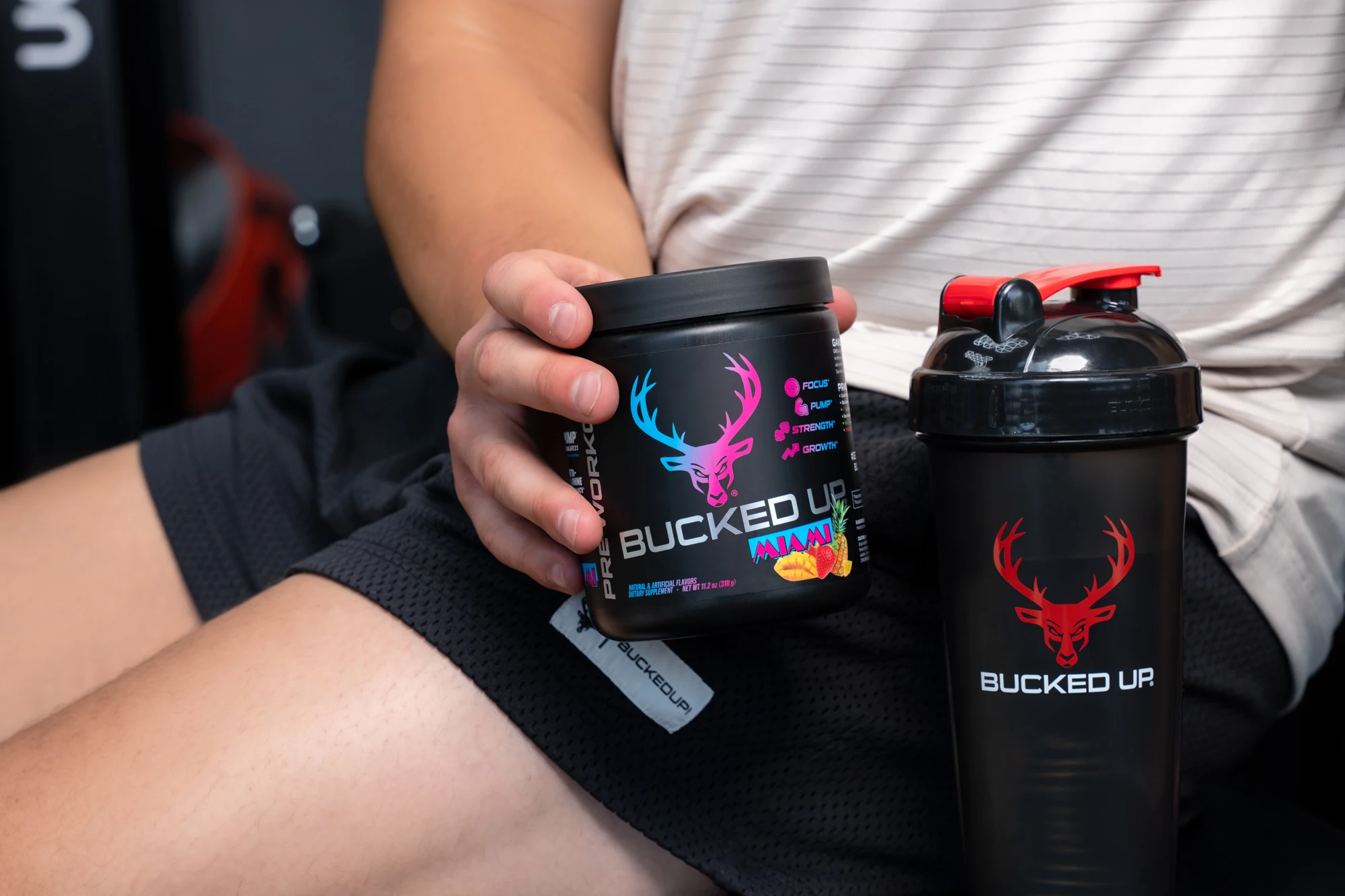
Love a long warm-up? Mix your shaker right as you start moving. If you walk in and go straight to the bar, drink it a little earlier on the way to the gym.*
Should you take pre-workout on an empty stomach or with food?
Both work, and it mostly comes down to how your stomach feels about it. On an empty stomach, pre-workout usually hits faster and stronger. Some lifters love that, and others find it a little rough. Taking it with a light meal or snack slows things down a bit and can take the edge off if you tend to get jittery or queasy.
A solid middle ground is to eat a regular meal one to two hours before training, then take your pre-workout about 30 minutes before you start.*
Training first thing in the morning and can’t face a full breakfast? A small snack like a banana works, or start with a half serving and see how you feel.* Either way, drink it with plenty of water.
How much pre-workout should beginners take?
Start with a half serving.* Pre-workouts are built to pack a punch, so the best way to see how you respond to the caffeine and other ingredients is to ease in instead of going for a full scoop on day one. If a half serving feels good after a session or two, work up to a full serving as directed on the label, and don’t go past the recommended amount.*
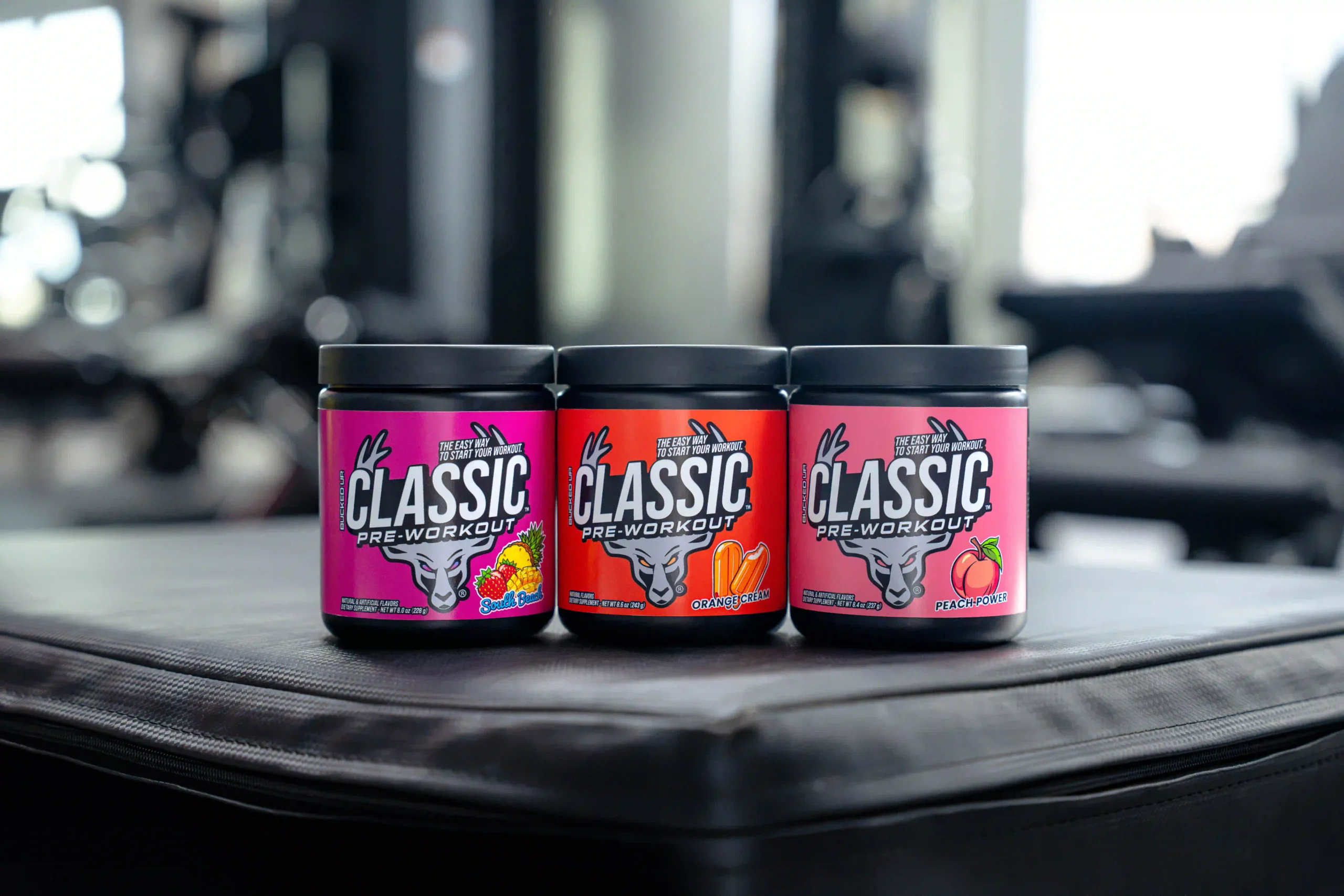
Before you buy, take a minute to read the label. Check the caffeine per serving, the amounts of key ingredients like citrulline and beta-alanine, and whether you’re sensitive to caffeine or anything else in the formula. Not sure which one is right for you? It helps to see how each formula fits a different training style.
If you’re pregnant, nursing, under 18, or have a medical condition, talk with your doctor before using any pre-workout.
Can you take pre-workout at night? Late-day workouts and caffeine
You can, as long as you keep an eye on the caffeine. Caffeine is the biggest reason timing matters, so it’s what decides whether a late session works for you.

Your body takes a while to clear caffeine, so a pre-workout from late in the day can still be going strong when you’re trying to fall asleep. A common rule of thumb is to skip caffeine in the six to eight hours before bed.* So if you lift at 7 PM and turn in at 11 PM, a full-caffeine formula probably isn’t doing your sleep any favors.
Check how much caffeine is in your serving, and count everything else you’ve had that day, like coffee or an energy drink. If you train late, your best options are moving your session earlier when your schedule allows or switching to a formula that skips the caffeine.*
Feeling jittery or crashing after your workout? That usually means you took too much or took it too late, so tweak your timing first.
If stimulants just don’t agree with you, no worries: pre-workouts that leave out the caffeine still bring pump-focused ingredients like citrulline to the table.
Can you take pre-workout with creatine?
Yes, plenty of people do. Creatine runs on its own schedule. It works best when you take it consistently over time, so the hour you take it matters far less than getting it in every day. Pair it with your pre-workout, take it after training, or slot it in wherever you’ll actually remember.
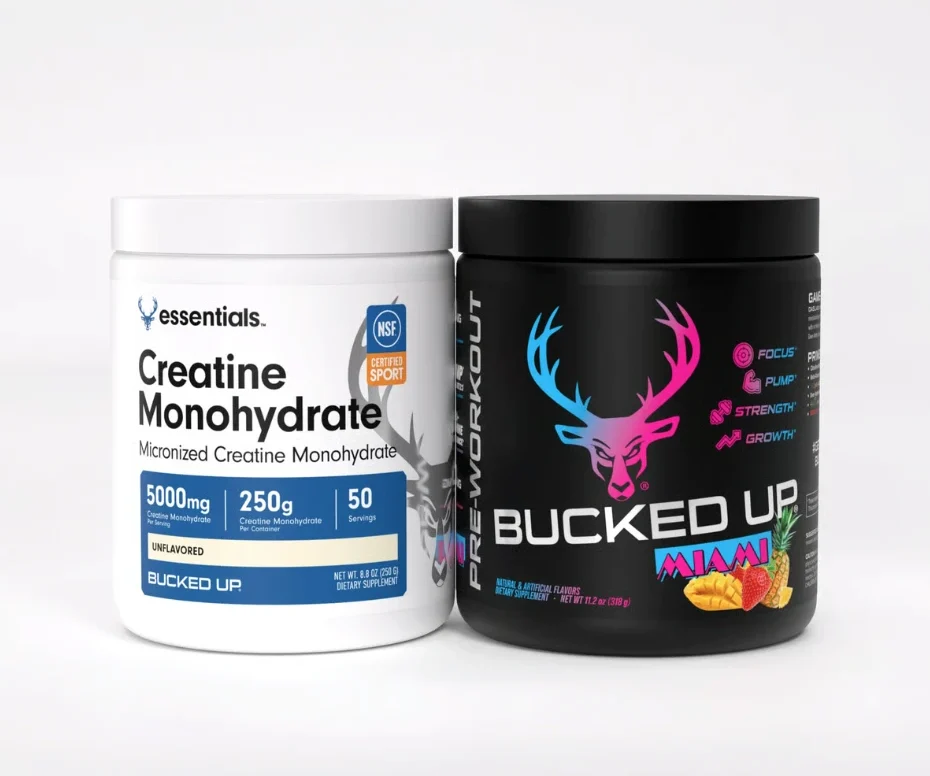
Some pre-workouts already include creatine, so check the label before adding more. If yours doesn’t, stirring a scoop of creatine into your pre-workout shaker is an easy way to build the habit. Keep the water coming throughout the day either way.
Timing pre-workout by workout type
Lifting. Take it about 20 to 30 minutes before your first working set.* That window lines up nicely with a normal warm-up, so everything kicks in right as you hit your heavy sets.
Cardio and running. A full serving can sit heavy in your stomach during hard cardio, and nobody wants that mid-run. Give it a little extra time, around 30 minutes before, and consider starting with a half serving.* Sip water along the way, since you’ll be sweating.
Fasted training. If you work out first thing without eating, the effects can feel faster and stronger. Start with a half serving, drink some water, and see how you feel before moving up to a full one.*
Pre-workout timing FAQ
How long does pre-workout take to kick in?
Most people start to feel it somewhere in the 20 to 30 minute range. Caffeine tends to peak around 30 to 60 minutes after you take it, and the beta-alanine tingle can show up within the first 15 to 20 minutes. Taking it on an empty stomach can make it hit sooner.
How long does pre-workout last?
Most people feel it for several hours, and caffeine can hang around longer than that, which is why late sessions can cut into sleep. Everyone’s different, so go by how you feel and the directions on your label.
How late is too late to take pre-workout?
It depends on how much caffeine is in your serving and when you hit the pillow. A common rule of thumb is to skip caffeine in the 6 to 8 hours before bed, so if you train late, consider moving your session earlier or reaching for a formula without caffeine.*
Can you take pre-workout every day?
Many people do, as long as they stay within the serving size on the label.* If your usual serving doesn’t hit like it used to, a few lighter days or a short break from caffeine can help you reset.
Can you take pre-workout twice a day?
Most labels recommend one serving per day, so stick with that to be safe.* A second serving also adds to your total caffeine for the day, which can make it harder to sleep.
What if you forgot to take pre-workout and it’s already late?
No stress, it happens. If you’re training within a few hours of bed, skip it or reach for a formula without caffeine.*
Do I need to take pre-workout on rest days?
Nope. Pre-workout is meant for training days, so save it for when you actually need the boost.
Got your timing dialed in? Pick the formula that fits your training, mix it up, and go get after it.
*This guide is for general information only and isn’t medical advice. Everyone responds differently to pre-workout, so follow the directions on your product label, and talk with your doctor first if you’re pregnant, nursing, under 18, taking medication, or have a medical condition.

Leave a Reply