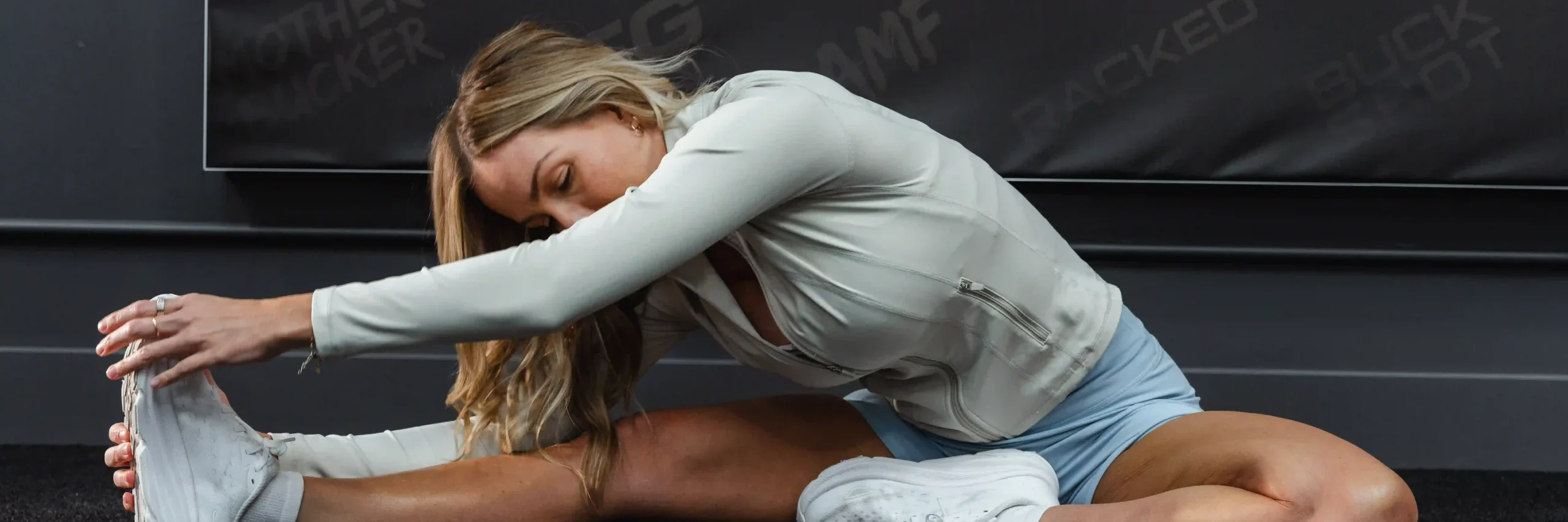
A new year workout on January 1st? Total cliché. Also totally worth it. Clichés get a bad rap, but that doesn’t mean they’re not onto something.
We’ve got you. Below, we’ll cover how to start, how to build a simple new year workout plan, how to get back into it after time away, and how to keep showing up. We’ll also look at where workout supplements fit, including our Beginner Workout Stack, if you want a little extra support.*
Sizing up a new year fitness challenge or just hoping to walk into the gym without feeling lost? Either way, a couple of small habits is all it takes to get going.
How to start your new year workout routine
Wondering how to start a fitness journey? The honest answer is to start smaller than feels impressive. A routine you can repeat on a busy Tuesday beats a gnarly sweat sesh you drop by week two. (Remember, something always beats nothing!)
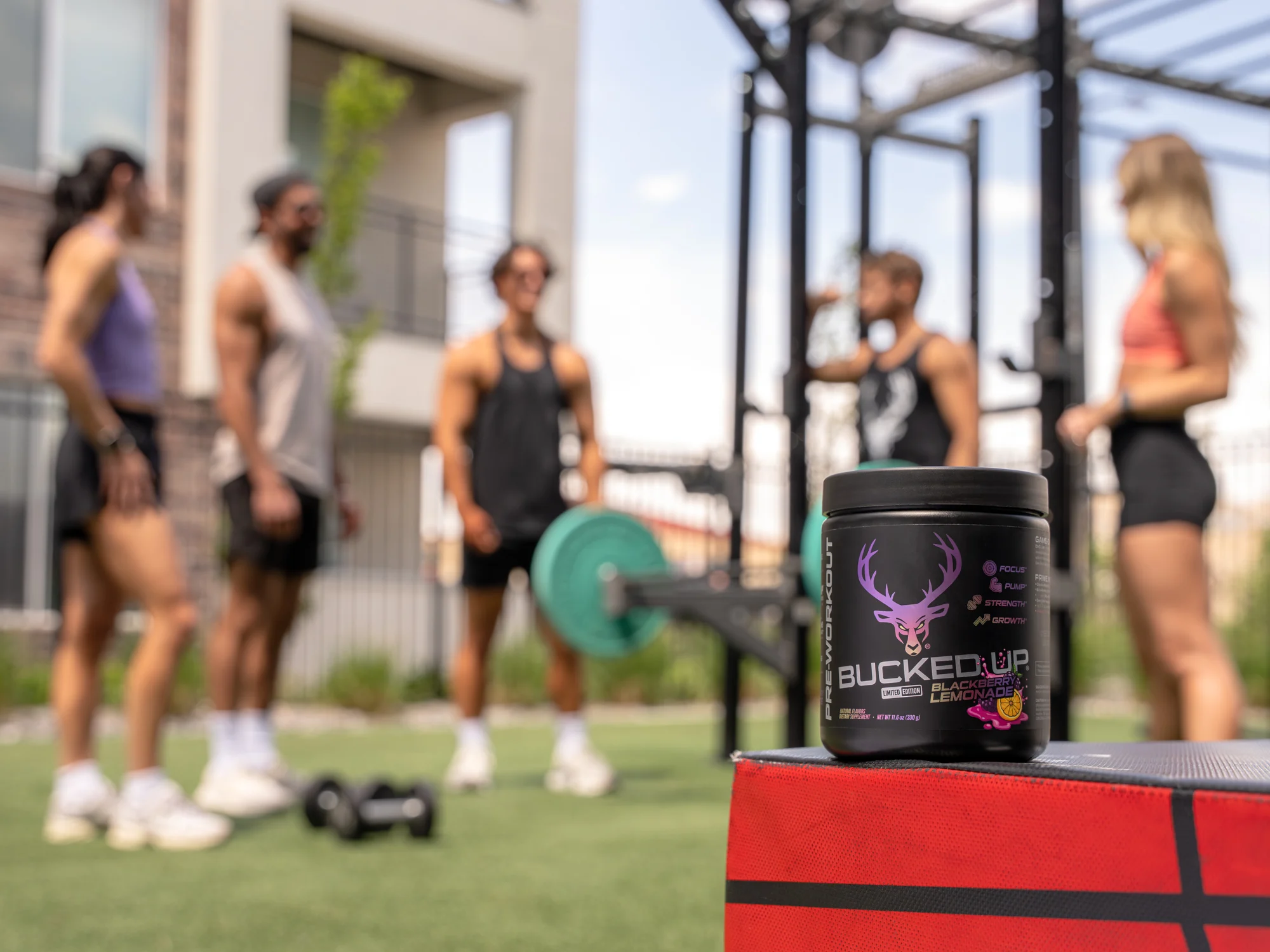
Here’s where we’d begin:
- Pick a goal you can picture. Give yourself a goal you can track, like lifting three days a week for the first month.
- Start with two or three days. If you’re learning how to start working out, a short, regular schedule is easier to maintain than a daily one.
- Keep sessions short. Aim for 30 to 45 minutes when you’re new, since it’s easier to stay consistent when a workout doesn’t eat your whole evening.
- Choose movements you don’t hate. You’ll show up more for a workout you enjoy, so mix in walking, lifting, cycling or whatever gets you moving.
- Put it on the calendar. Treat a workout like any other appointment you’d rather not cancel.
One more thing: The first week should feel a little too easy. That’s on purpose. You’re building the habit first and the intensity second.
How to build a beginner workout routine
Learning how to build a workout plan sounds fancy, but a good beginners workout regimen comes down to three questions: how often, what, and how hard.
How often: Three days a week with a rest day in between gives your body time to recover and allows more freedom in your schedule.
What: Full-body sessions are a friendly place to start because every workout touches everything. A simple mix might include:
- Lower body: a squat, leg press, or hip bridge
- Upper body (push): a push-up or chest press
- Upper body (pull): a row or lat pulldown
- Core: a plank, dead bug, or bird dog
How hard: Pick weights that let you finish each set with a rep or two left in the tank. Once that feels easy, add a little weight or a few reps.
Figuring out how to create a workout routine that fits your schedule? Start with the days you know you can commit to, then fill in the exercises.
Want to set up your space? Some easy gear ideas to get you started can make it more fun, and a simple notes app or notebook works great for tracking your sets.
Getting back into working out
Not new at all? Maybe you used to train, life got busy, and now you’re searching for how to get back into working out. Welcome back. We’re glad you’re here.

Not sure how to start exercising again? Give yourself permission to begin below where you left off. Your body remembers more than you think, but it still needs a runway.
- Start at about half of what you used to do. Lighter weights and shorter sessions for the first couple of weeks help you ease in and keep sore days manageable.* A little post-workout recovery support can help too.*
- Skip the comparison game. Your old numbers will come back. Don’t chase them on day one and risk an injury.
- Focus on showing up. Two good sessions this week beat one brutal workout followed by a week of limping.
- Build back slowly. Add a little at a time as things start to feel easy again.
If it’s been a long time, or you have any health concerns, check with your doctor before you jump back in.
Gym beginner tips to help you stay consistent

The hardest part of any new year workout routine is week three, when the novelty wears off (and the couch starts feeling very comfortable). A few habits can carry you through it.
- Learn the basics before you go. Knowing your first few moves ahead of time takes the “what do I do now?” panic out of your first visit. Plenty of gyms offer a quick orientation if you ask.
- Go at a quiet time if you can. Fewer people means more room to figure out the equipment at your own pace.
- Track something. Weights, reps, or just a checkmark on a calendar. Seeing your streak grow is surprisingly motivating.
- Plan for rest. Rest days are part of the routine, and sleep, water, and good meals do a lot of the heavy lifting behind the scenes.
- Bring a friend or a playlist. A workout buddy or a great soundtrack can make it easier to walk through the door.
- Celebrate the small stuff. Finished your third week? That counts. Added a little weight? That counts too!
Missed a day? It happens to everyone. Pick up at your next planned workout and keep going.
Workout supplements for beginners

Training consistently, eating well, and getting enough sleep come first. Once those are rolling, gym supplements for beginners can add a little extra support to your routine.* Two of the most common places to start are pre-workout and creatine.
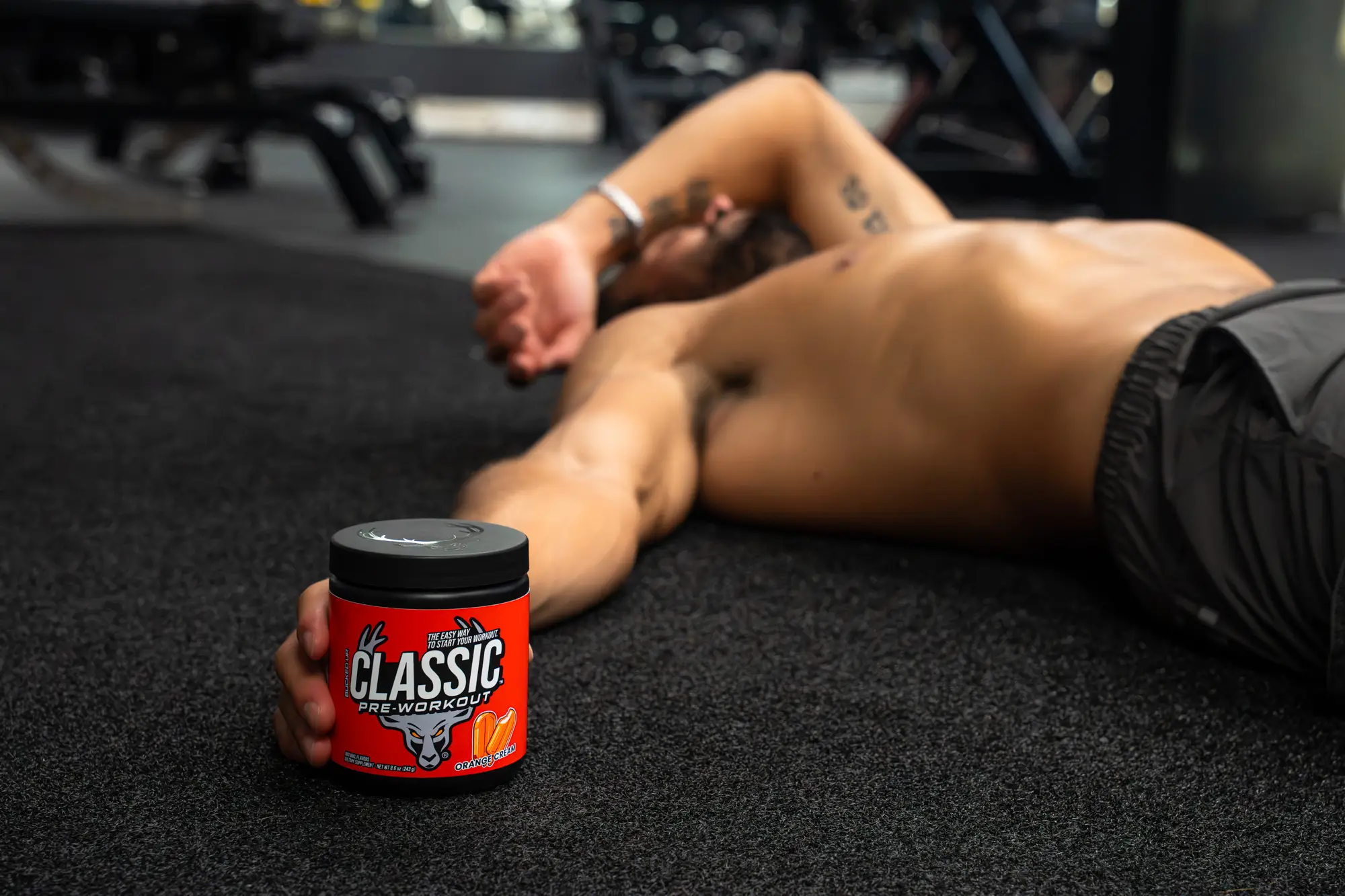
Pre-workout supplements: These are made to be taken before you train to support energy, focus, and muscle pump.* Many contain caffeine, so if you’re new to them, it’s smart to start with a smaller serving and see how you feel. Follow the directions on the label, and skip them late in the day if caffeine keeps you up. If you want to see what’s out there, you can browse our pre-workout lineup and compare formulas side by side.
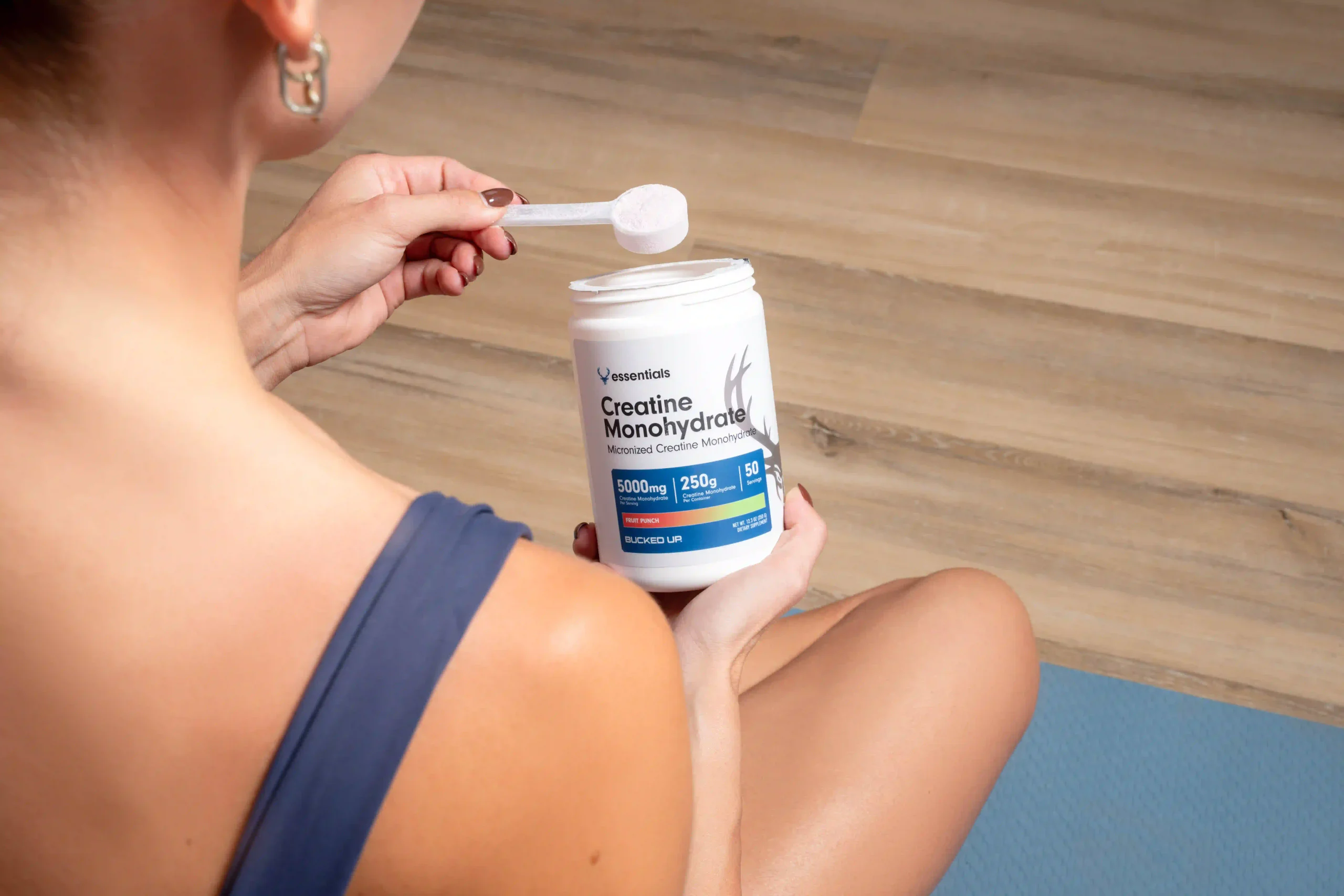
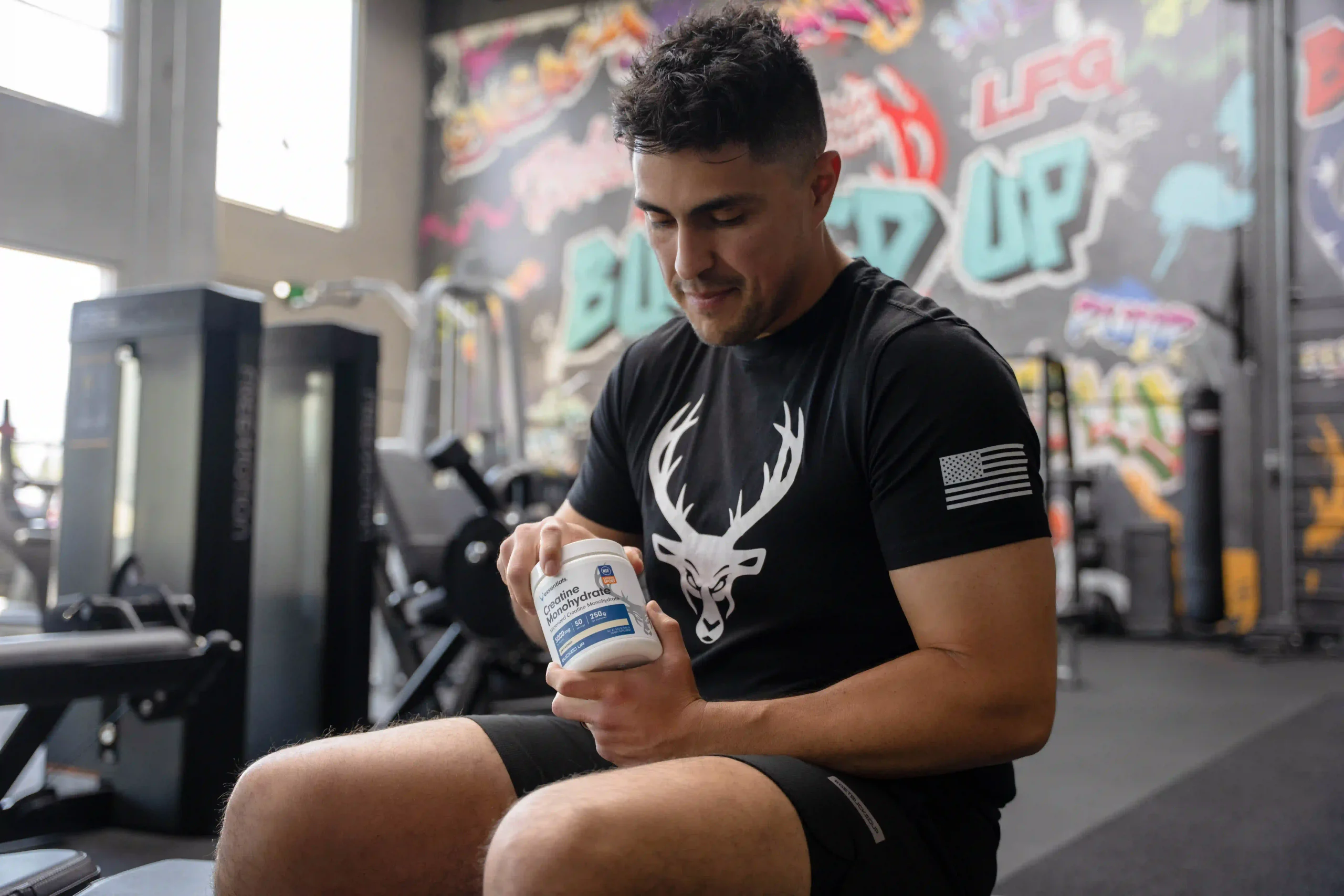
Creatine: Which creatine is best to start with? Creatine monohydrate is one of the most widely used forms, and a typical serving is 5 grams a day.* It’s taken once a day, rest days included, so it fits easily into a routine you’re already building. Look for a simple label with one ingredient and a third-party certification, like NSF Certified for Sport, so you know what’s in the tub. Creatine supports strength and muscle performance when you pair it with consistent training.*
As always, a supplement can’t make up for skipped workouts or a rough diet, and it’s a good idea to check with your doctor before adding anything new, especially if you take medication.
How to take the Beginner Workout Stack
Already eyeing the Beginner Workout Stack? Here’s how a typical week looks. On training days, take your pre-workout before you train and your creatine at some point that day. On rest days, it’s just the creatine. That’s the whole routine, and no scheduling spreadsheet is required.
New to pre-workout? Start with half a scoop and see how you feel, and keep pairing the stack with regular exercise and a balanced diet.* Both products are backed by our 45-Day Money Back Guarantee, so you can try them with some peace of mind.
FAQ
How many days a week should a beginner lift weights?
Two to three days a week with a rest day in between is a solid place to start. Once that feels easy, you can add a day. Everyone’s different, so let your energy and recovery guide you.
What should I do at the gym as a beginner?
Pick a few full-body moves you can repeat every visit, like a squat, a push, a pull, and a plank. Learn them well, write them down, and add more as you get comfortable. Most gyms are happy to show you around if you ask.
Do I need supplements to start a new year workout routine?
Nope. Consistent training, balanced meals, and good sleep are the foundation. Supplements are optional, but they can add some extra support along the way.*
*These statements have not been evaluated by the Food and Drug Administration. This product is not intended to diagnose, treat, cure, or prevent any disease.
This post is for general information only and isn’t medical advice. Everyone responds differently to exercise and supplements, so follow the directions on your product label, and talk with your doctor first if you’re pregnant, nursing, under 18 or taking medication, or if you have a medical condition.



Leave a Reply