Shopping for immune support supplements can get overwhelming fast, especially with winter and the holidays right around the corner. Shelves are packed with vitamins, powders, and capsules that all promise something a little different, and it’s tough to know where to start.
Here’s what we look for in supplements for immune system support, and why we bundled five of ours into the Immunity Stack. Spoiler: it beats hunting down five separate bottles.
Read on to see what matters and where the Immunity Stack fits into your routine.
What to look for in immune support supplements
Looking for the best immune system vitamins and supplements? Start with the nutrients your immune system leans on most, according to the NIH.*
- Vitamin C: This antioxidant helps keep your body’s barriers strong and your immune cells working.*
- Vitamin D: Many of your immune cells rely on it to do their job, so getting enough matters, especially when winter sunlight is scarce.*
- Zinc: It plays a part in how immune cells develop and helps protect the lining of your airways.*
- Vitamin A: Your body counts on it to keep barrier tissues like your airways in good shape and to help your first-responder immune cells develop and do their job.*
- Vitamin E: This antioxidant protects your immune cells from wear and tear and keeps them active, from making antibodies to patrolling for invaders.*
- Selenium: This trace mineral plays a role in how T cells mature and how well your natural killer cells perform.*
Food comes first, though. The NIH notes that if you’re not low on a nutrient, extra supplements may not make a difference, so a balanced diet is the foundation. It’s smart to check with your doctor before adding anything new, especially if you take medication. See NIH’s immune function fact sheet to learn more.
Meet the Immunity Stack
If you’d rather not piece together your own routine, the Immunity Stack bundles five supplements into one easy order, all aimed at supporting your immune health.*
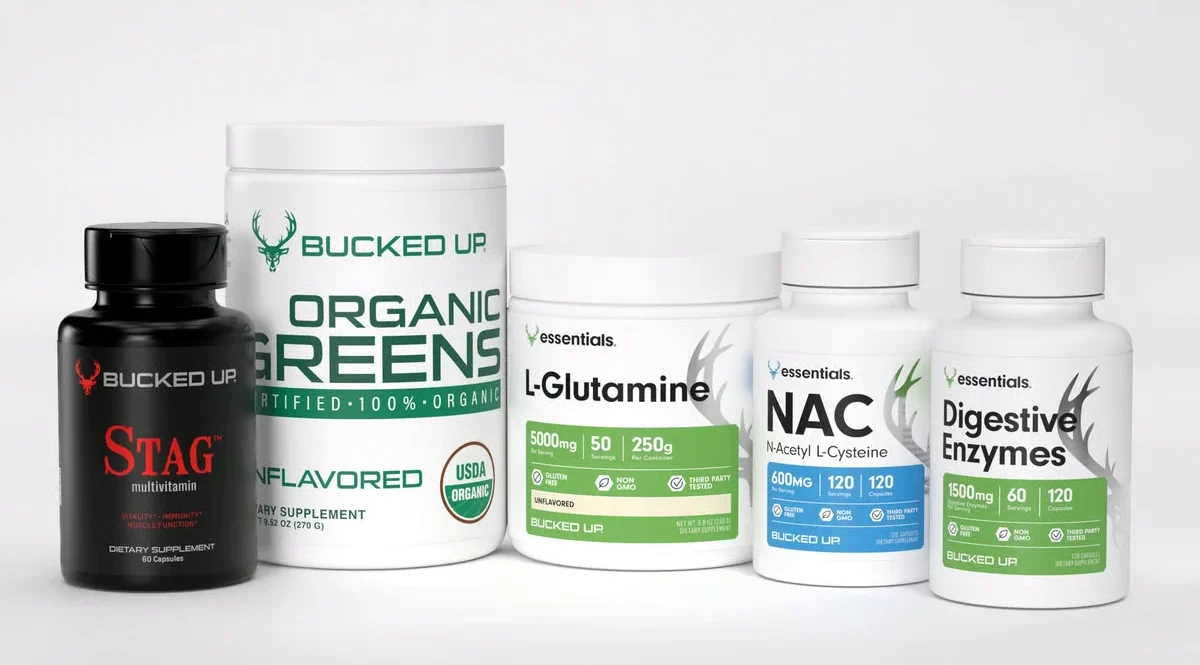
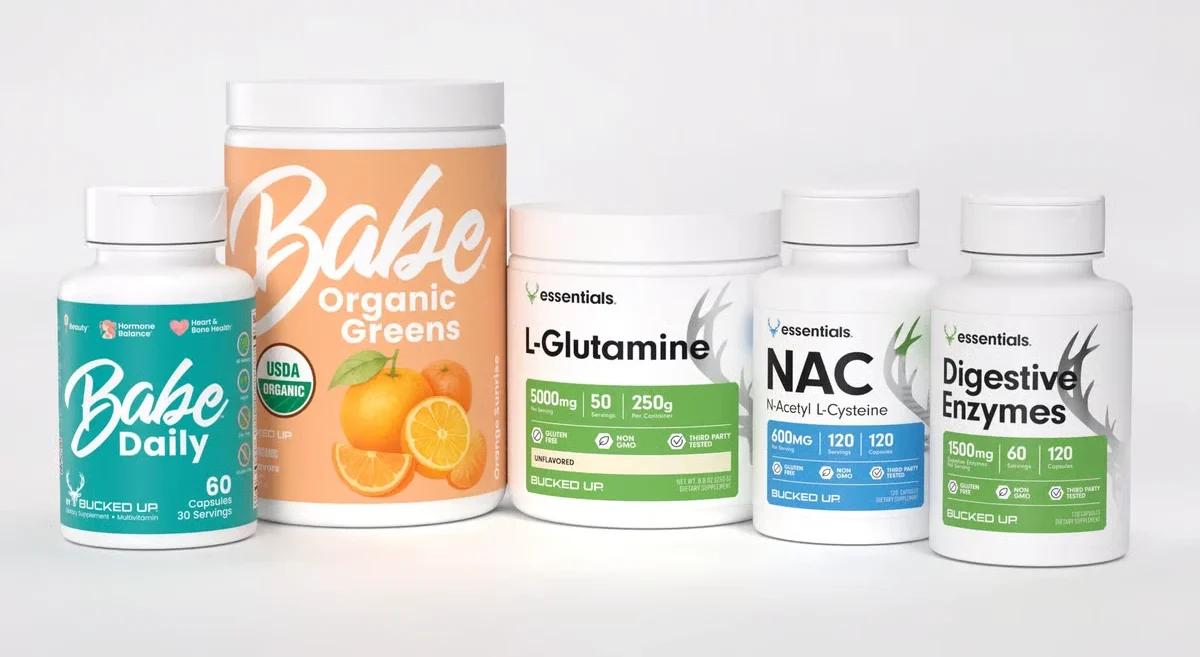
It comes in two versions, so you can pick the multivitamin and greens that fit you: Stag and Organic Greens, or Babe Daily and Babe Organic Greens, which are made by women, for women.
What’s in the Immunity Stack
Here’s a quick look at what each supplement brings to the stack.
- Stag: A full spectrum multivitamin that supports your overall wellness and immune health.*
- Babe Daily: A women’s multivitamin with 20 vitamins and minerals per serving, including vitamin D3, zinc, and selenium, which may support immune function.*
- Organic Greens (or Babe Organic Greens): A powder that includes the eight most essential organic greens your body needs, including antioxidants and essential minerals.*
- NAC: An amino acid supplement that supports the body’s antioxidant defenses.*
- L-Glutamine: An amino acid that supports recovery and digestive health.*
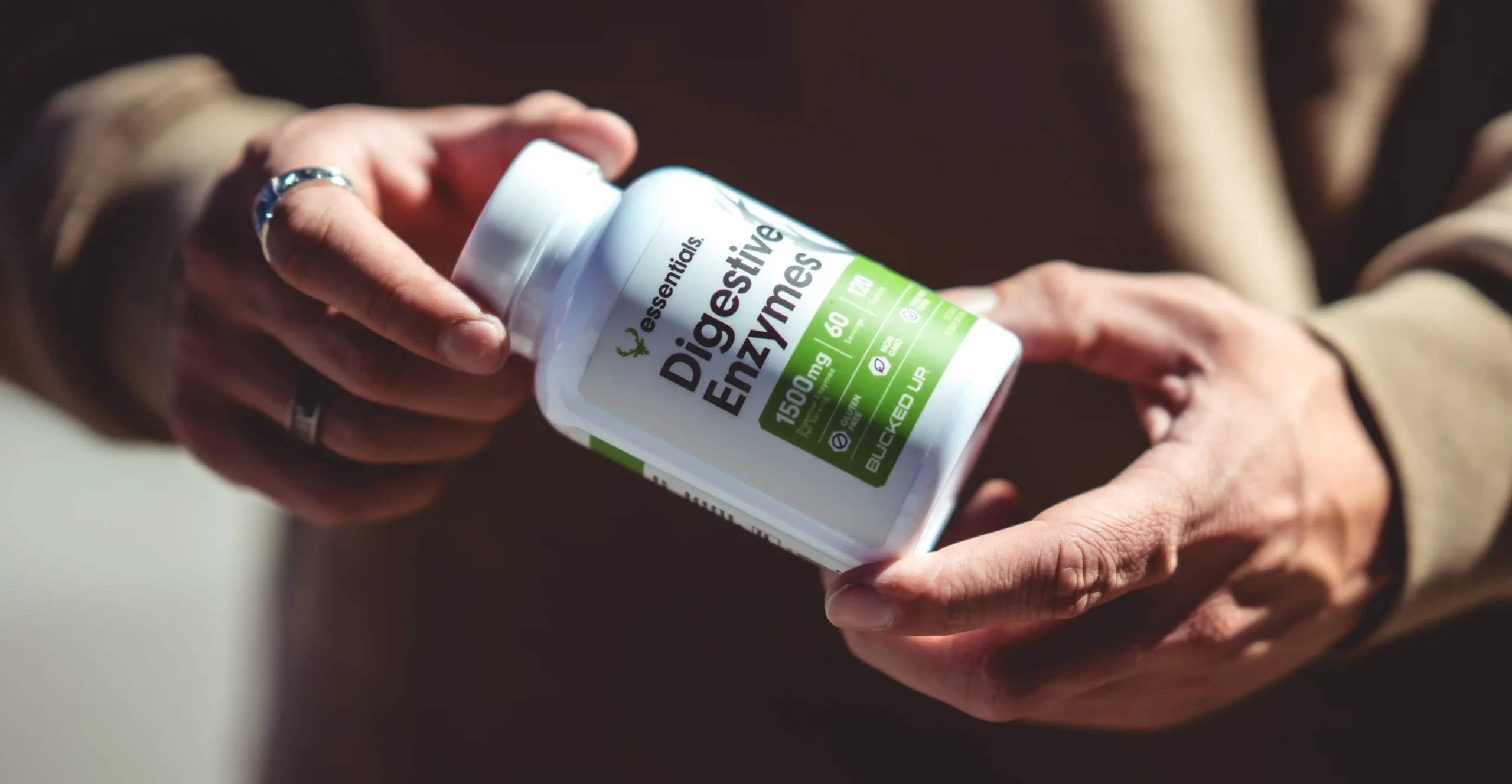
- Digestive Enzymes: Supports healthy digestion and nutrient absorption.*
Who the Immunity Stack is for
This stack works for just about anyone with a daily wellness routine: busy people who want to cover their basics, parents juggling a packed schedule, and family members who like staying on top of their health.*
It also makes a thoughtful gift, and if you’re shopping for more people on your list, we’ve got plenty of wellness gift ideas for everyone else on it.
How to fit immunity supplements into your day
Keep it simple. The easiest routine is the one you’ll actually stick with.

- Link it to a habit: Take your supplements at the same time as something you already do, like breakfast or your morning coffee.
- Follow the directions: Check the label on each product for serving sizes and timing.
- Stay consistent: Supplements fit best as part of a steady routine, alongside balanced meals, movement, and enough sleep.
- As always, check the labels and talk to your doctor if you have questions about what’s right for you.
Take care of the basics
Good habits and a solid routine go a long way. Pick the supplements that fit your day, stay consistent, and look after yourself.
Immune support supplements FAQ
What vitamins help support your immune system?
Vitamins C, D, A, and E are the main ones your immune system leans on, along with the minerals zinc and selenium, according to the NIH.* Each plays a different role, from helping keep your body’s barriers strong to helping protect your immune cells.* Food comes first, so a balanced diet is the foundation.
Does vitamin C help the immune system?
Yes, vitamin C supports your immune system.* It’s an antioxidant that helps keep your body’s barriers strong and your immune cells working.* The NIH notes that if you’re not low on a nutrient, extra supplements may not make a difference.
Does vitamin D help the immune system?
Yes, vitamin D supports immune health, since many of your immune cells rely on it to do their job.* Getting enough matters most in winter, when sunlight is scarce. Talk to your doctor if you’re unsure what’s right for you.
Does zinc help the immune system?
Yes, zinc supports your immune system.* It plays a part in how immune cells develop and helps protect the lining of your airways.*
What are the best supplements for immune support?
The best supplements for immune support cover the nutrients your immune system leans on most, like vitamins C, D, A, and E, zinc, and selenium.* If you’d rather not piece together your own routine, our Immunity Stack bundles five supplements into one order.*
What’s in the Immunity Stack?
The Immunity Stack includes a multivitamin, a greens powder, NAC, L-Glutamine, and Digestive Enzymes, all aimed at supporting your immune health.* It comes in two versions: Stag Multivitamin and Organic Greens, or Babe Daily and Babe Organic Greens, which are made for women.
*These statements have not been evaluated by the Food and Drug Administration. This product is not intended to diagnose, treat, cure, or prevent any disease.
This post is for general information only and isn’t medical advice. Everyone responds differently to supplements, so follow the directions on your product label, and talk with your doctor first if you’re pregnant, nursing, under 18, taking medication, or have a medical condition.


Leave a Reply