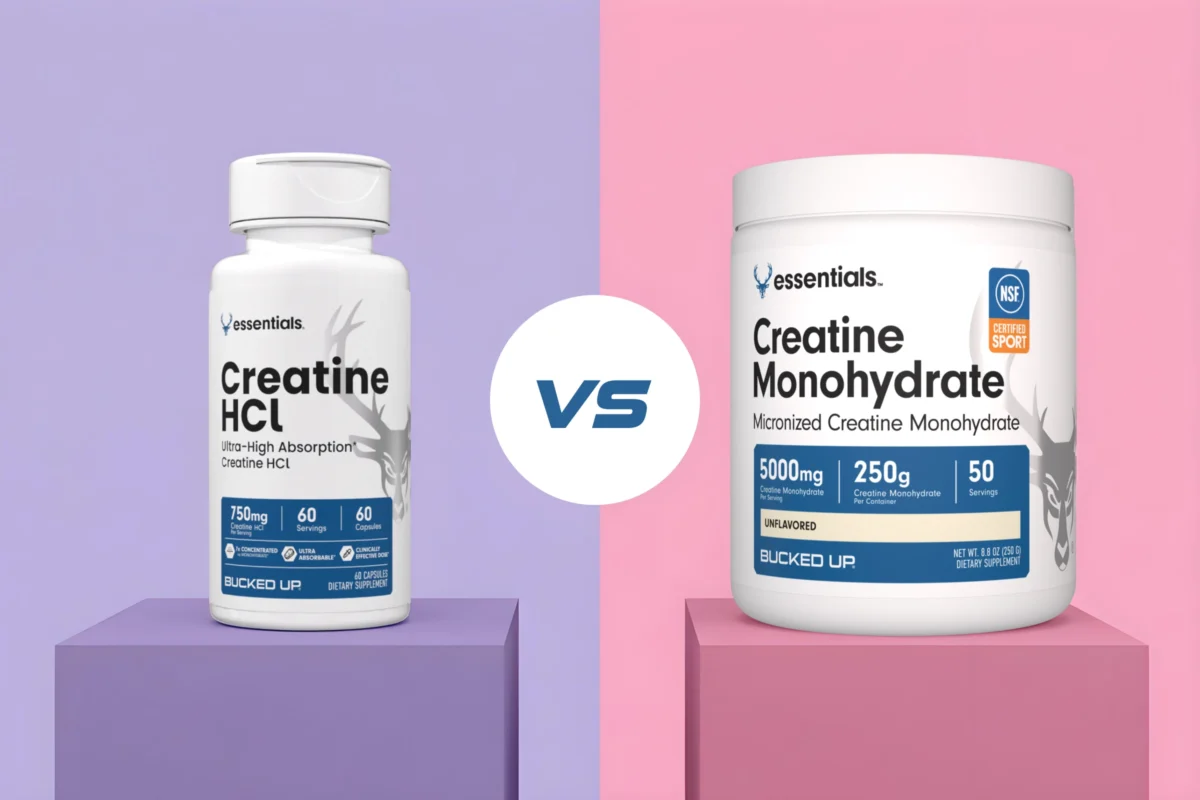
TL;DR: When it comes to creatine HCl vs. creatine monohydrate, both can work well for women. Monohydrate has the deepest research behind it, while HCl is a newer option that some people like for its smaller servings and gentler feel on the stomach.
Can’t decide? That’s okay — the right creatine format is the one you’ll actually take every day.
If you’ve been staring at a wall of supplements, or one very long product page, wondering about creatine HCl vs. monohydrate, you’re in good company. Both come up in almost every conversation about creatine for women, and the advice out there is all over the place.
So let’s sort it out (without the gym-bro jargon). We’ll cover what each form is, how they stack up, what’s really going on with bloating, and how to pick the one that fits your routine.
What is creatine HCl?
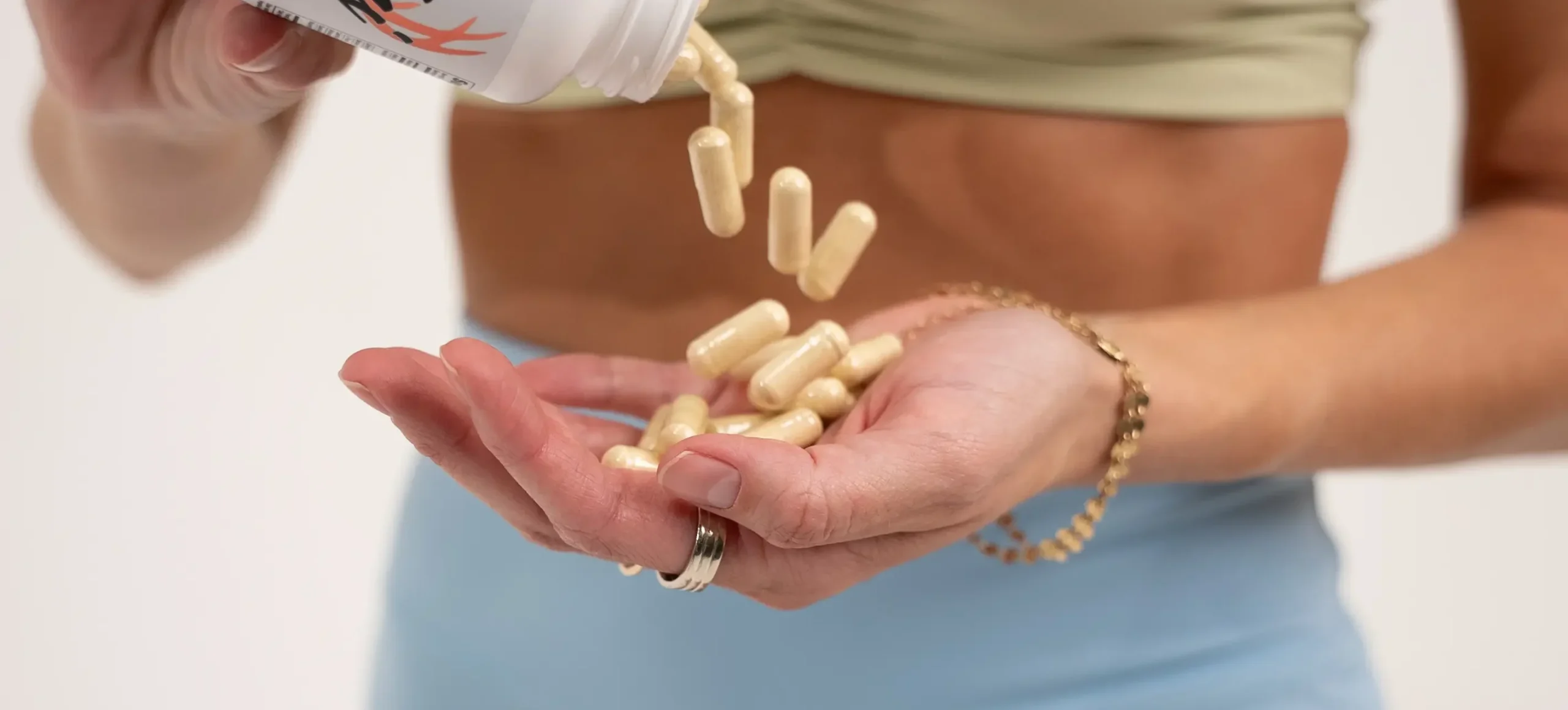
Creatine HCl is short for creatine hydrochloride. It’s creatine paired with a hydrochloride group, which helps it dissolve more easily in water. That solubility is the main reason you’ll see HCl sold in smaller servings and in capsule form.
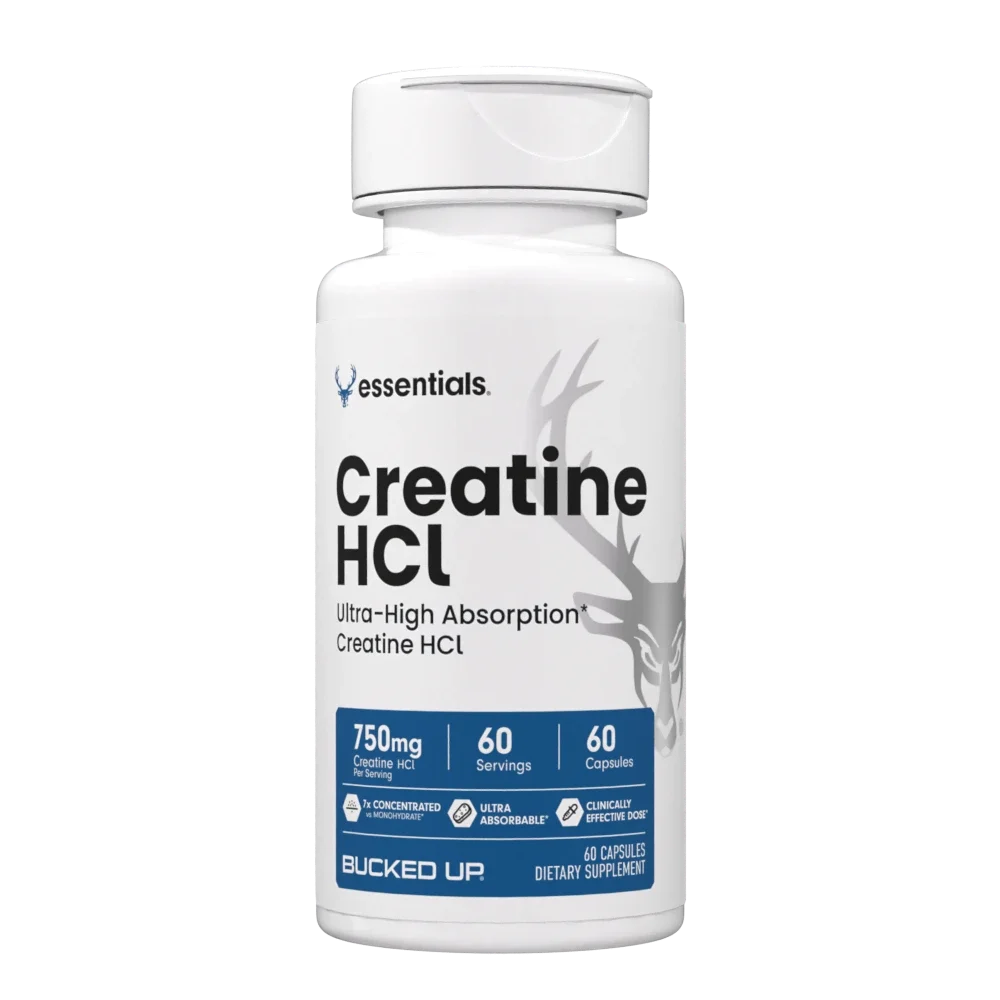
What does creatine HCl do?
The same job as any other creatine. Your muscles use creatine to refill their quick energy supply during short, hard efforts like lifting, sprinting, and that last stubborn rep, so it can help support strength and training performance* when paired with resistance training. The form changes how it’s packaged and how it dissolves. The goal stays the same.
Creatine HCl vs. monohydrate: What’s the difference?
Think of the tried-and-true monohydrate as the OG classic and HCl as the newer take on the same idea. If you’re asking whether to go with creatine HCl or mono, here’s how they line up:
| Creatine monohydrate | Creatine HCl | |
|---|---|---|
| Research | The most studied form of creatine | Newer, with less research behind it |
| Typical serving | Commonly around 3 to 5 grams a day | Labels often list a smaller serving |
| Mixing | Micronized versions mix well, though some people notice a little grit | Dissolves easily in water |
| Where you’ll find it | Powders, gummies, and capsules | Capsules and powders |
The biggest practical difference is how each one fits into your day. Monohydrate gives you a long track record and plenty of ways to take it. HCl gives you a smaller serving and an easy mix, which some people find handy when they’re on the go and the gym bag is already packed.
Is creatine HCl better than monohydrate?
On creatine hydrochloride vs monohydrate, the honest answer is there’s no clear winner. Most of the research on creatine has been done with monohydrate, which is why it’s still the form most people point to first. HCl is the new kid on the block, and there just isn’t enough head-to-head research to say it beats monohydrate or falls short of it.
What HCl does have going for it is convenience. A smaller serving, an easy mix, and capsule options can make it simpler to stay consistent, and consistency is where creatine does its best work. So “better” mostly comes down to which one fits your routine, your stomach, and your preferences.
Does creatine make you bloated?
It can for some people, and it helps to know why. Creatine draws water into your muscle cells, so some people notice a little extra water weight on the scale in the first week or two, especially if they start with a loading phase. That’s water held inside the muscle.
Others report a bit of stomach discomfort when they take a big serving all at once. Everyone’s body responds a little differently, so listen to yours.
If you’re sensitive, a few simple tweaks go a long way. Skip the loading phase and start with a standard daily serving, take it with a meal, and keep up with your water throughout the day (your muscles will thank you).*

How much water should you drink while taking creatine?
There’s no magic number. Drinking water steadily throughout the day is a smart habit with creatine, since creatine pulls extra water into your muscles. Follow the directions on your product, and check in with your healthcare provider if you have questions about hydration that are specific to you.
What about creatine HCl and bloating?
Lots of people reach for HCl because they’ve heard it’s easier on the stomach, and plenty of them like how it feels. Here’s the fair take: there isn’t solid research showing HCl causes less bloating or water retention than monohydrate. Since creatine of any form draws water into muscle, you may still notice a little water weight in the early days.
What HCl can offer is a different experience. The smaller serving and easy mixing suit some people better, and if a bigger scoop of powder has ever left you feeling off, trying a capsule is a reasonable experiment. Give any new creatine a couple of weeks and see how your body responds.
How much creatine should women take?
For monohydrate, a standard daily serving of around 3 to 5 grams is the common range, and many women do well with a simple, steady routine like that.* Creatine HCl dosage is a little different. Serving sizes vary from product to product and are often smaller, so go by the label on yours and skip the mg-to-mg comparisons across forms.
When should women take creatine?
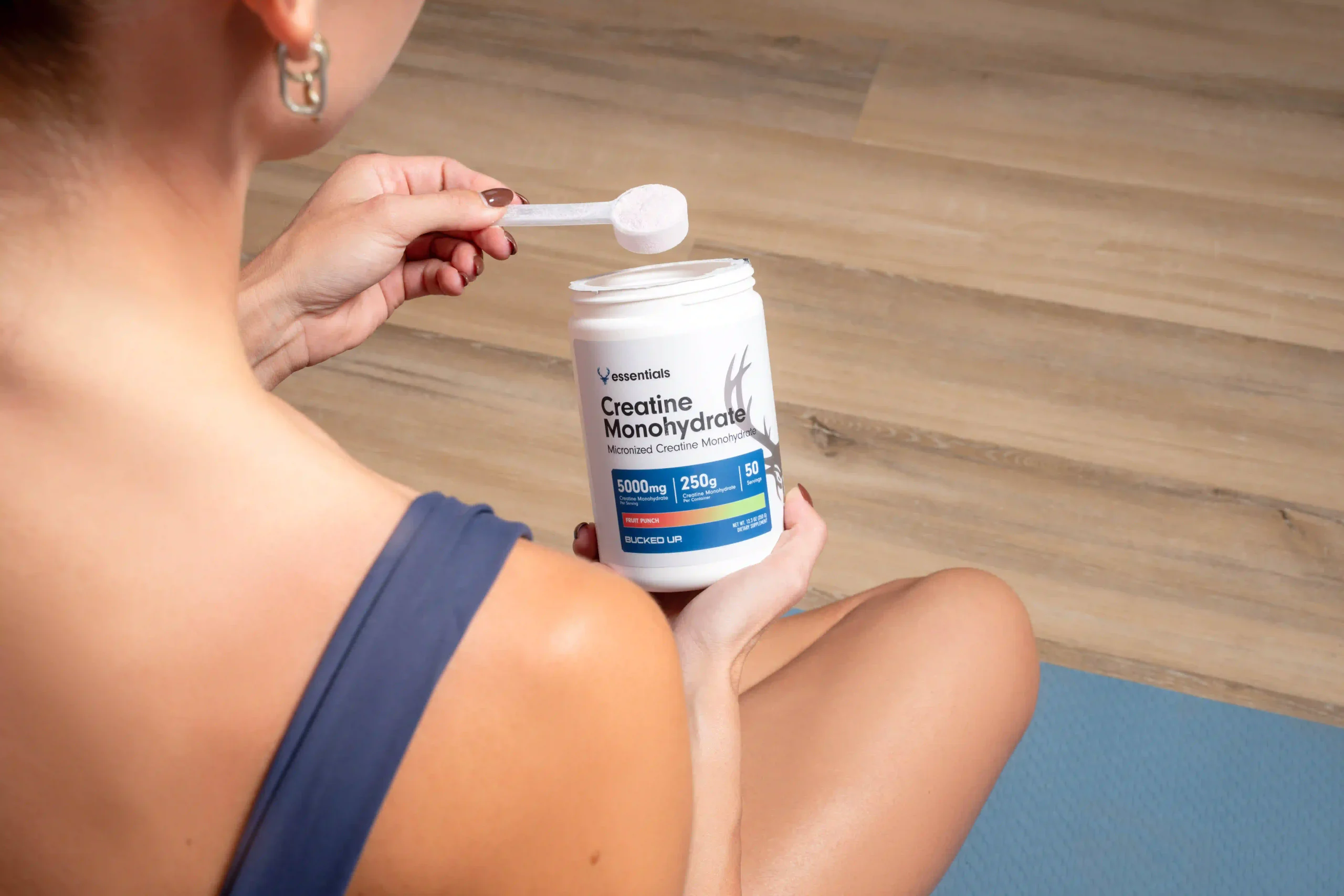
Pick a time you can stick with. Creatine works through consistent daily use, so whether you take it before a workout, after one, or with breakfast matters less than not skipping days. (Rest days count too!)
How to choose the right creatine
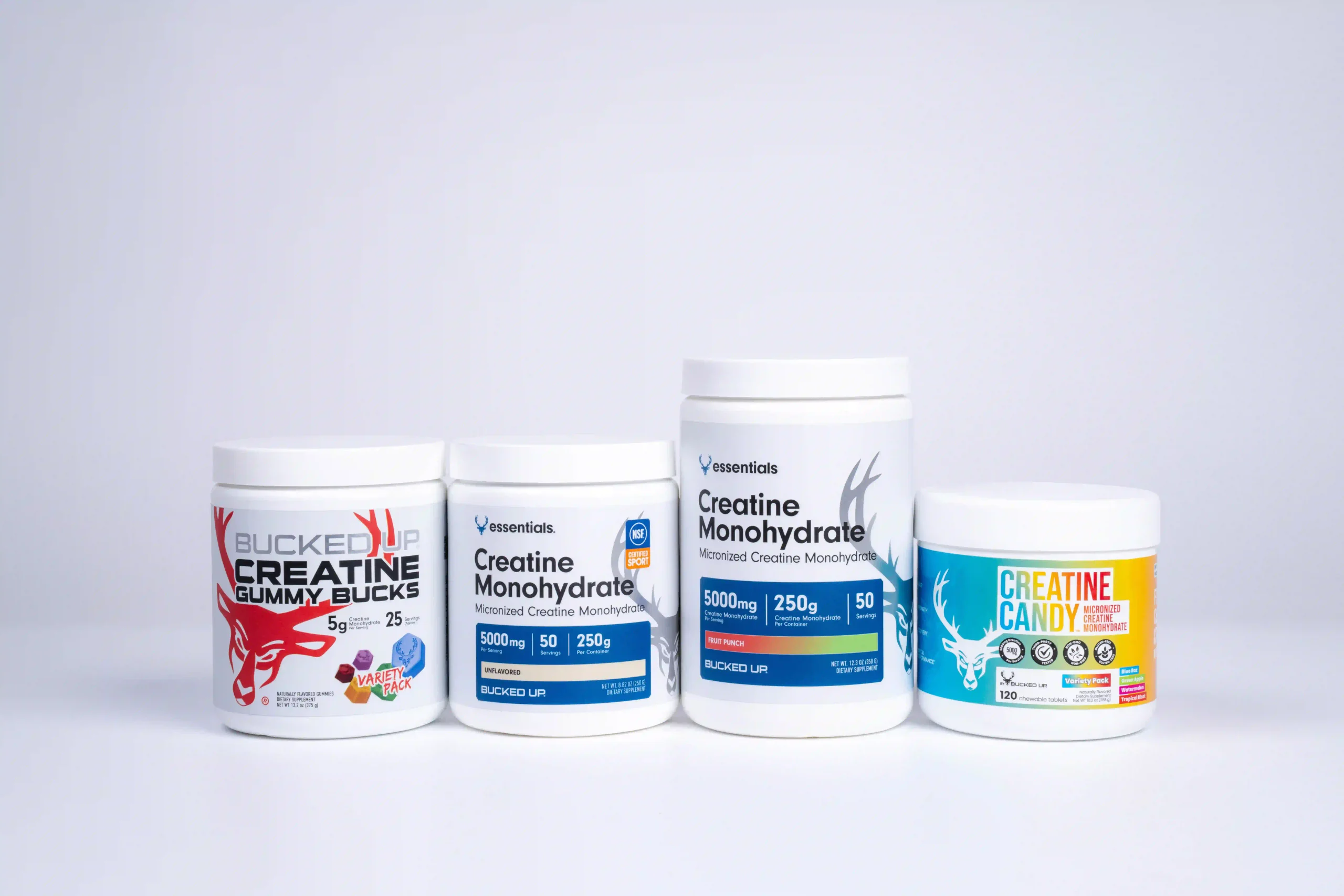
If you want the form with the longest track record, monohydrate is your pick, and it comes in a few easy formats, including powder and chewable gummies for anyone who’d rather not mix a scoop.
If you like the idea of a smaller serving you can swallow with a sip of water, easy-to-take HCl capsules are worth a look. Women who want an HCl option can also check out a creatine built with women in mind.
The bottom line is to choose the one that fits your day. A creatine you remember to take beats a perfect one that lives in the back of your cabinet. And if you want to see the full range of creatine forms before you decide, we’ve got that covered too.
The takeaway: Creatine hydrochloride vs. monohydrate for women
Creatine HCl and monohydrate can both earn a spot in your routine, so there’s no wrong choice.
Start with the one that sounds easiest to stick with, give it a few steady weeks, and adjust from there. You’ve got this. Read more about what creatine can do for women’s training.
*These statements have not been evaluated by the Food and Drug Administration. This product is not intended to diagnose, treat, cure, or prevent any disease.
This post is for general information only and isn’t medical advice. Everyone responds differently to creatine, so follow the directions on your product label, and talk with your doctor first if you’re pregnant, nursing, under 18, taking medication, or have a medical condition.

Leave a Reply